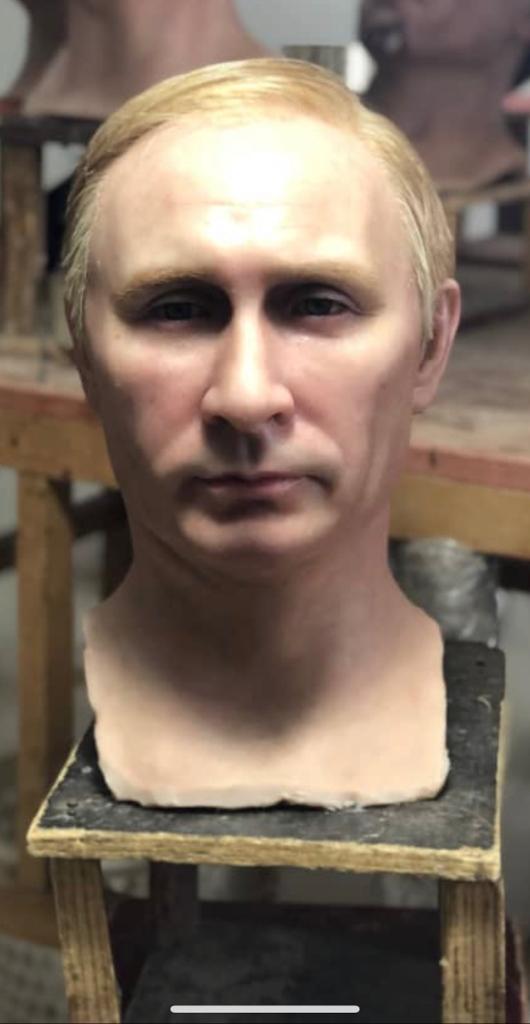
Capture reference photos for a portrait sculpt
Build a portrait reference set with useful angles, stable expression and neutral lighting so sculptors can separate facial form from photographic distortion.
3 MIN READ
Likeness, physical detail and the journey from character to collectible object.
 THE EDITOR’S OPENING READ
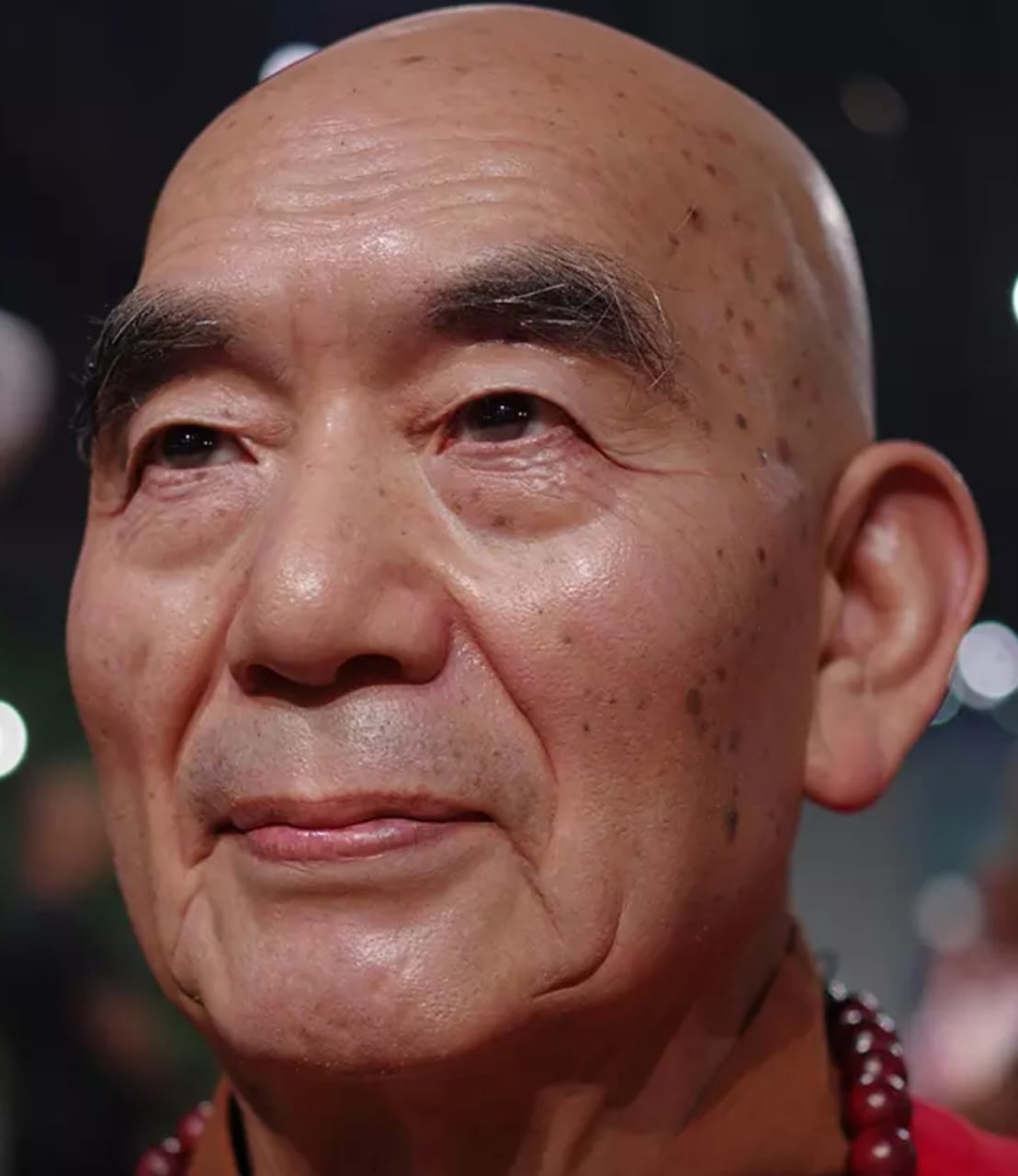
Define the intended likeness, expression, scale and display context before sculpting so a portrait figurine has clear creative priorities and approval criteria.
Read the story25 articles · Page 1 of 3
Build a portrait reference set with useful angles, stable expression and neutral lighting so sculptors can separate facial form from photographic distortion.
3 MIN READ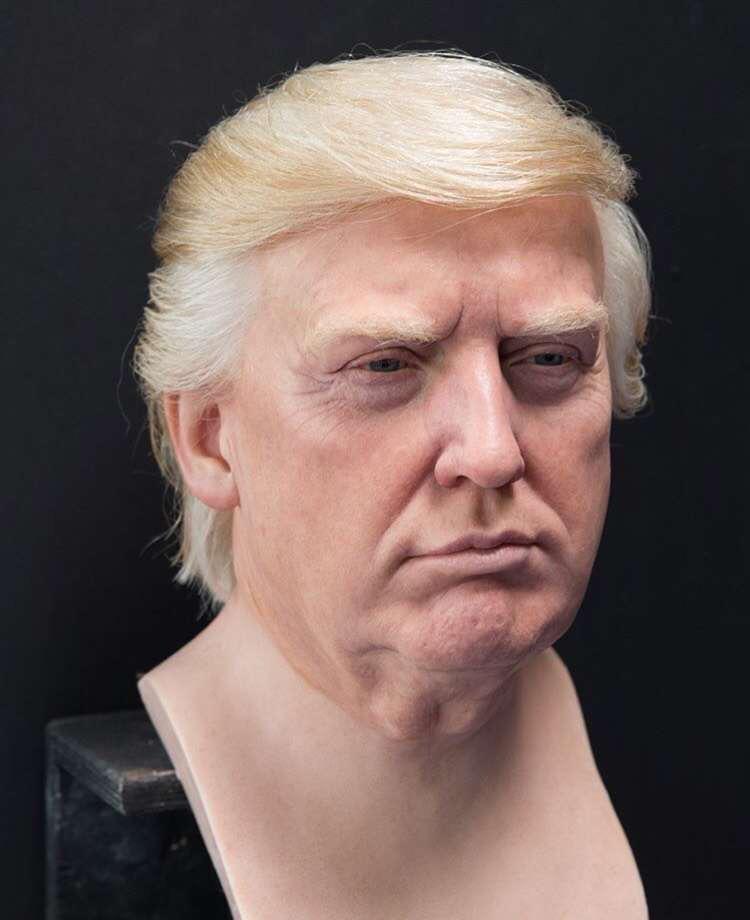
Assess head proportions, feature relationships and expression in a neutral sculpt before pores, hair strands and paint make portrait corrections more expensive.
3 MIN READ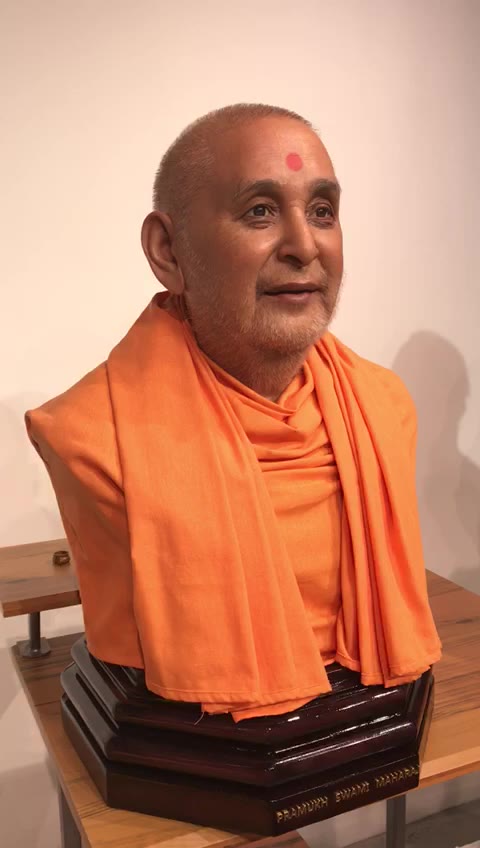
Select a collectible’s size by testing viewing distance, detail hierarchy and practical footprint so the finished object works in its intended display setting.
3 MIN READ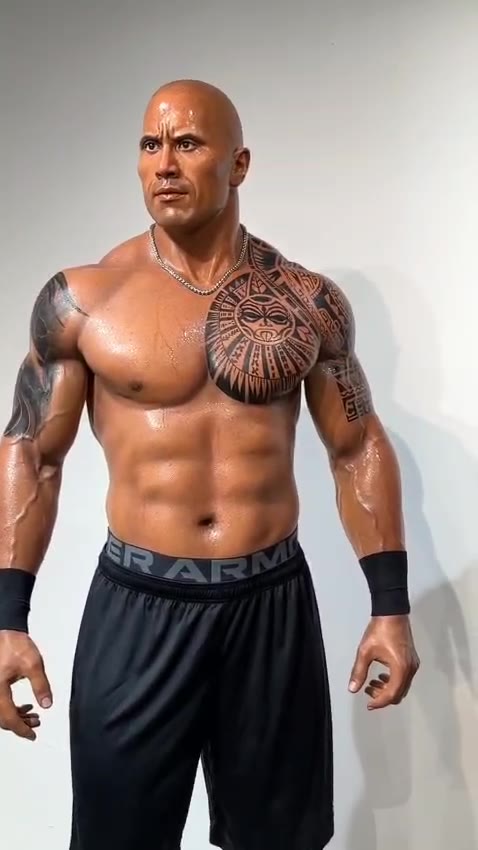
Balance expressive gesture with support paths, base placement and assembly needs so an energetic collectible pose remains practical as a physical object.
3 MIN READ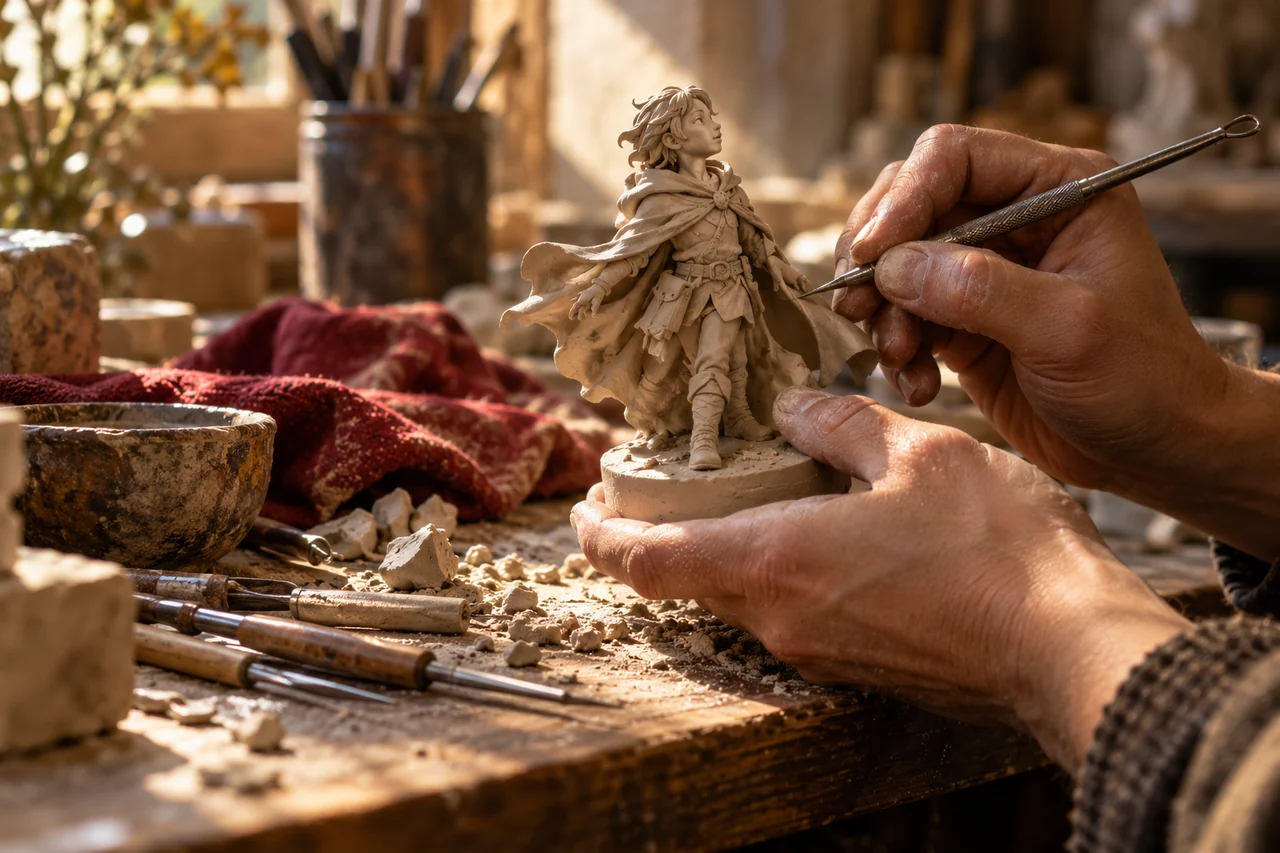
Plan seams, paint access and assembly order together when dividing a figurine so manufacturing convenience supports the finished object’s appearance and handling.
3 MIN READ
Design hollow printed parts around drainage, inspection and finishing so material savings do not create hidden cavities that production cannot process reliably.
3 MIN READ
Evaluate fingers, straps, jewelry and surface relief at their final dimensions so delicate sculpted features remain readable and practical after printing and finishing.
3 MIN READ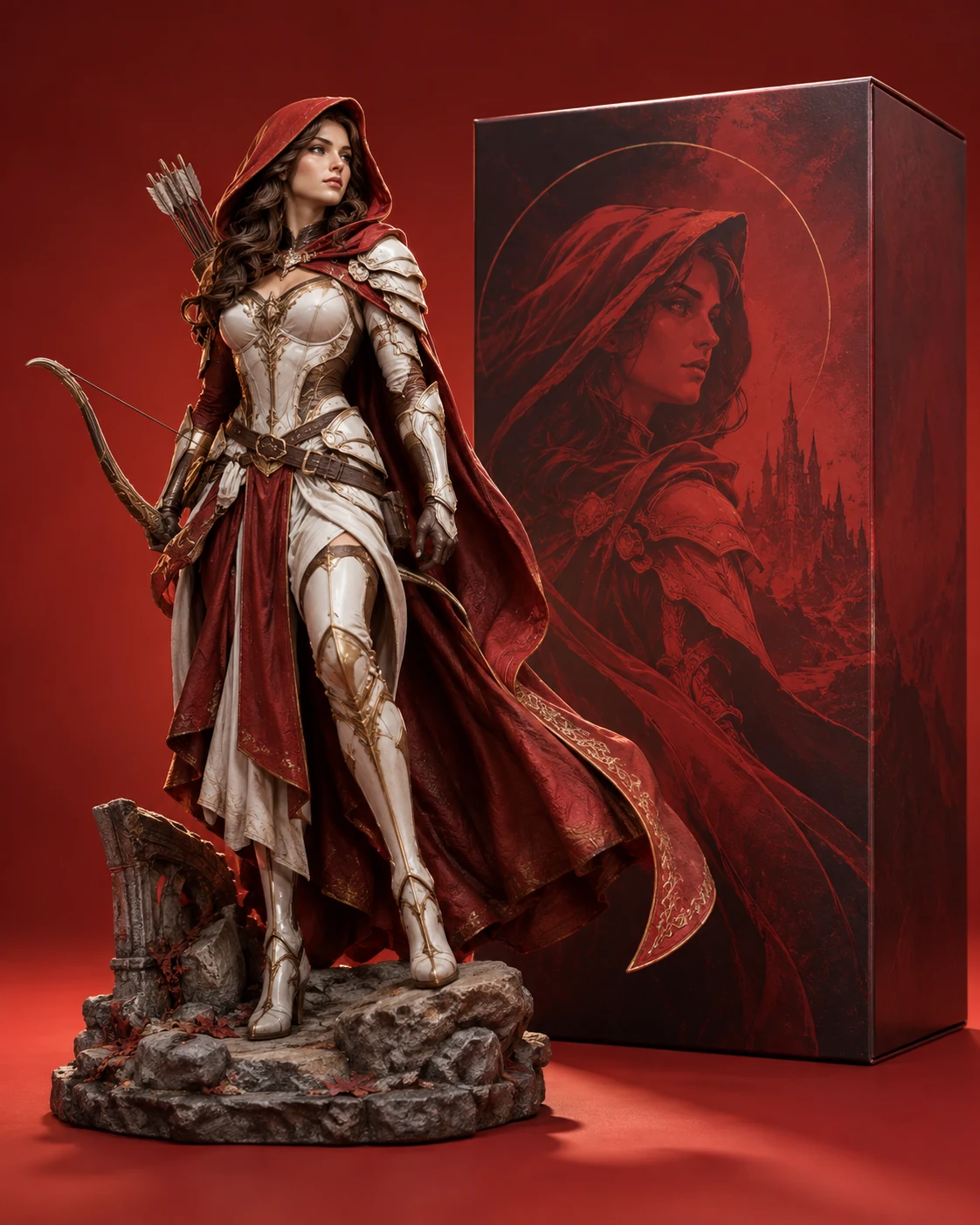
Coordinate print orientation and support placement with the collectible’s focal surfaces so cleanup preserves faces, smooth fabric and visible silhouette edges.
3 MIN READ
Compare materials using geometry, finish, handling and display requirements instead of broad labels so a collectible’s production choices support its intended use.
3 MIN READ
Use representative painted samples and consistent viewing conditions to approve colour and sheen before applying a finish across an entire collectible or edition.
3 MIN READ
Plan skin colour, value and local variation around the sculpted form so a portrait finish remains believable at display scale without excessive contrast or texture.
3 MIN READ