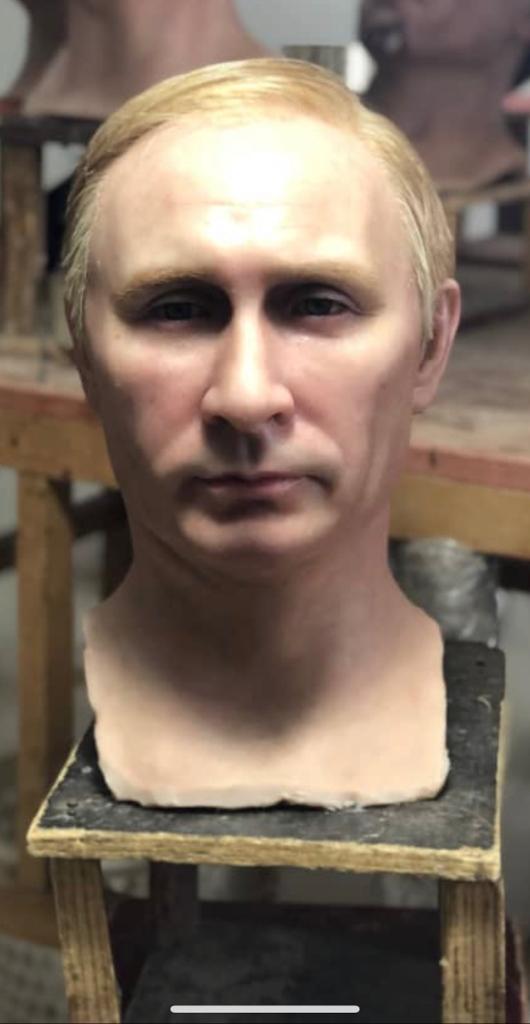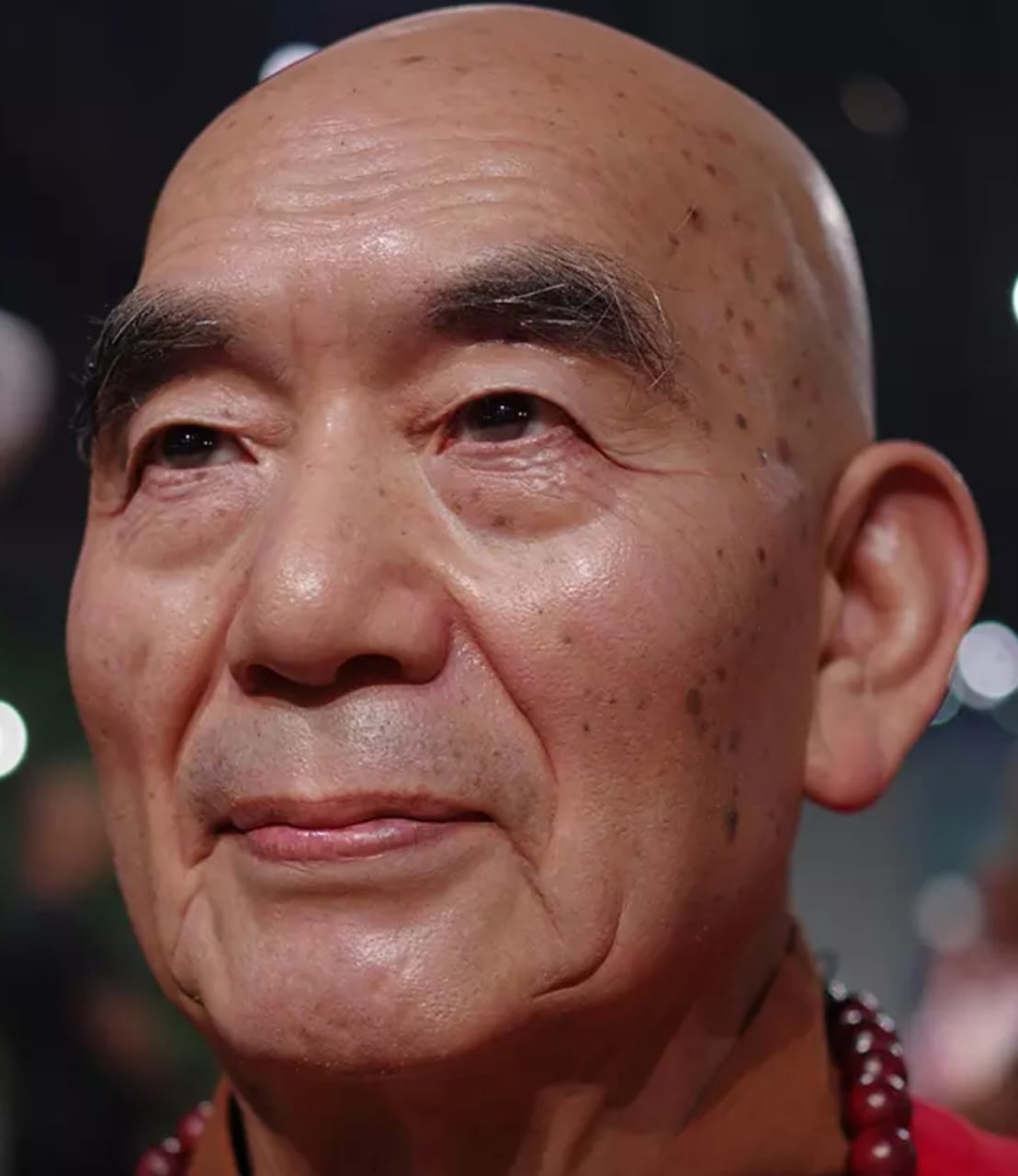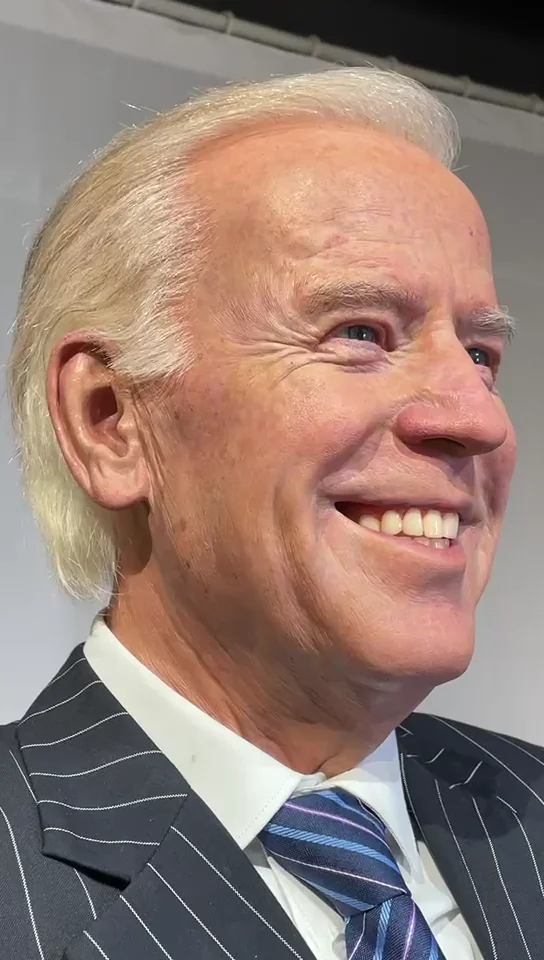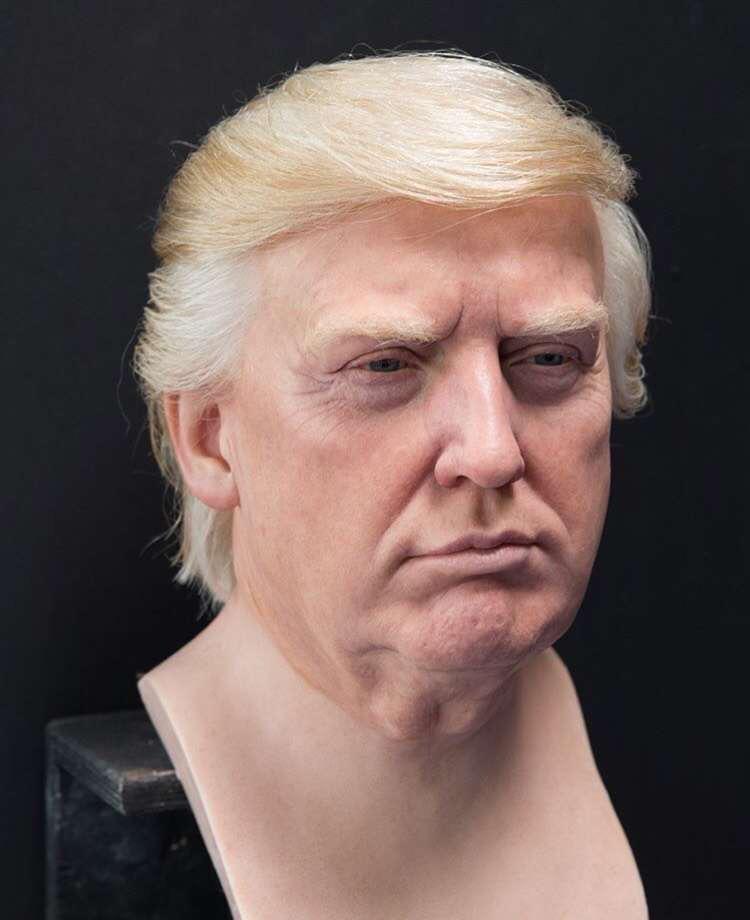
A portrait can contain convincing pores and still fail to resemble its subject. Likeness depends on the arrangement and character of larger forms, and detailed surfaces can distract reviewers from those errors. Establish a review method that makes proportions visible before polish begins. The aim is to identify a small number of meaningful corrections and explain them consistently across views, rather than accumulating subjective comments about individual details.
Begin with silhouette and proportion
Inspect the head from front, profile and three-quarter views under simple lighting. Compare skull height, jaw width, chin projection and the relationship between face and neck. These large decisions affect the impression of every smaller feature. A corrected eyelid will not compensate for a head that is too long or a jaw that belongs to a different structure.
Use a consistent camera setup for comparisons. A perspective change can make a correct feature appear wrong, so avoid comparing screenshots from arbitrary angles. Keep a few standard review views and include a slow turntable for continuity. The turntable reveals whether a feature that works from the front collapses when the sculpture rotates.
Describe relationships rather than isolated numbers
Look at the spacing and alignment of features together. The width of the mouth relative to the nose, the depth of the eyes beneath the brow and the transition from cheek to jaw create a recognizable pattern. Phrase feedback around that relationship: the lower face feels too narrow relative to the cheekbones, for example.
Use measurements as evidence where helpful, but avoid treating a photograph as an undistorted blueprint. Lens perspective and expression influence apparent dimensions. When references conflict, identify which one governs the decision and why. A small set of justified corrections is more useful than dozens of precise-looking marks derived from incompatible images.
Check the expression as a coordinated pose
Review whether eyes, cheeks and mouth communicate the same emotion. A slight smile may be carried by cheek tension and eye shape as much as the lips. Ask whether the portrait captures the intended moment, not merely whether the mouth corners have reached a particular position.
Preserve characteristic asymmetry where it contributes to identity. Digital sculpting tools can apply symmetrical changes efficiently, but perfect mirroring is not always the desired result. Blender documents sculpting tools that support broad and local form changes; choose the operation that corrects the portrait without flattening its individual character. Delay fine skin work until these relationships are accepted.
Turn the review into an actionable revision
Collect feedback through one agreed decision-maker and separate structural corrections from preferences about presentation. Mark each requested change on a standard view and explain the desired effect. If several reviewers disagree, resolve the direction before sending contradictory instructions to the sculptor.
After revision, compare the changed forms against the previous version using the same views. Confirm that improving one angle has not weakened another. Approve likeness at this stage with any remaining limitations recorded. That decision provides a stable foundation for texture and finishing, while leaving room for a final physical review that accounts for scale, material and paint.
The key decisions.
- Review silhouette and large facial relationships before adding fine detail.
- Use standard views and resolve conflicting references before requesting corrections.
- Approve a coherent expression and likeness before moving to surface finish.
Sources & further reading
Primary references for the concepts discussed. Check the applicable documentation when planning implementation.