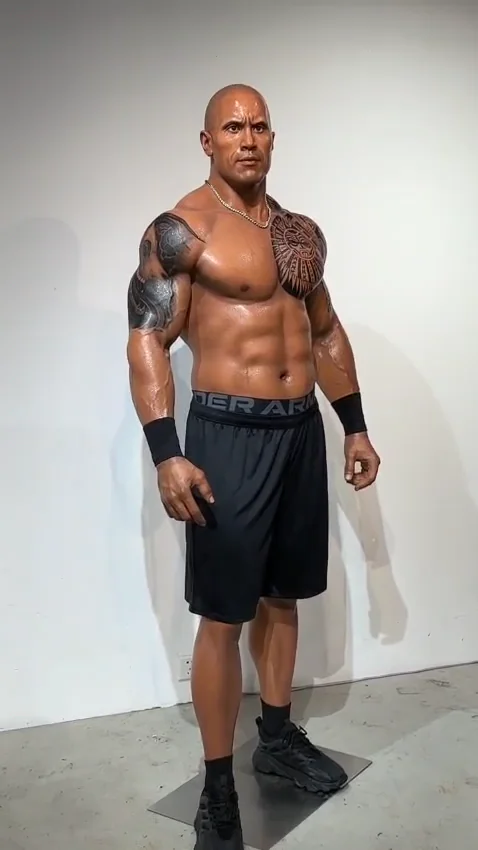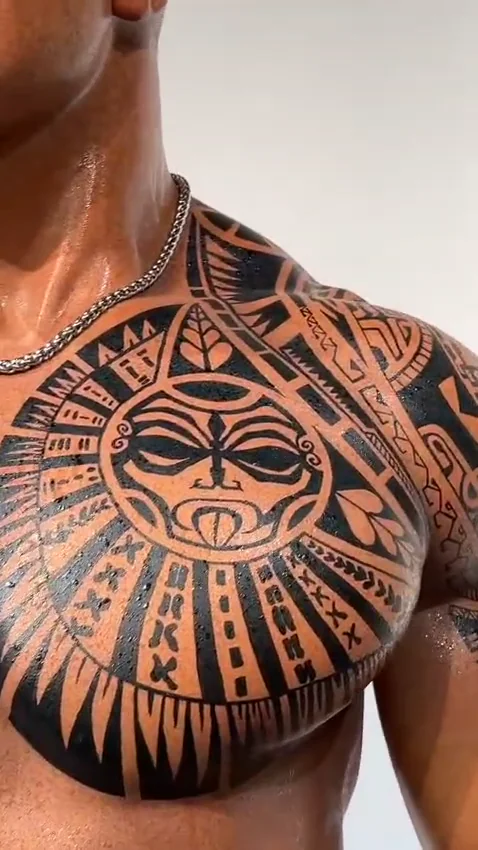
Scale changes more than the height of a figurine. It changes how a face reads, how delicate accessories behave and how much visual space a base occupies. A design that looks impressive while enlarged on a screen may lose its character when reduced to a small physical object. Choose scale through the intended display experience and a simple physical comparison before committing to fine sculpting and production.
Measure the actual display space
Record the usable width, depth and height of the intended shelf or case, including access for placing and removing the object. Consider the viewing angle and whether the figure will be seen alone or among other pieces. A tall pose with a raised accessory may fit the nominal height while remaining awkward to handle.
Use a paper silhouette, rough maquette or inexpensive blockout to compare candidate sizes in that space. Include the base and the widest part of the pose. This exercise reveals a footprint that a rendered image cannot communicate reliably. Ask viewers to judge the object from the distance at which it will normally be seen.
Decide which details must survive reduction
Identify the features that carry identity: a facial expression, costume shape, emblem or characteristic gesture. At smaller scales, those elements may need clearer separation or selective emphasis. The goal is not to enlarge every detail equally. Preserve a hierarchy so the viewer recognizes the character before inspecting decorative surface work.
Print or otherwise prototype a critical section at the proposed size, such as the head and a detailed accessory. Evaluate it after the intended surface preparation and paint sample where practical. A feature that exists in raw geometry may become less readable after finishing. Use the sample to decide whether to simplify, adjust or choose a larger scale.
Connect scale to manufacturing and handling
Review narrow connections, unsupported features and assembly joints at the actual dimensions. Scaling the whole model down also shrinks those features, which may move them outside the chosen process’s practical limits. Manufacturer guidance such as Formlabs’ design specifications is specific to a printer, material and setup; it should inform a prototype rather than become a universal minimum.
Consider how the finished piece will be handled during painting, packing and display. Very small projections can be difficult to protect even if they print successfully. A removable accessory or a revised pose may serve the design better than a uniform size increase. Balance visual intent with the full route from production to the owner’s shelf.
Approve dimensions with an explicit reference
Communicate height with and without the base and show the maximum footprint. Include a familiar size reference in approval images, clearly separate from the collectible itself. Avoid relying on an ambiguous scale ratio when the fictional character’s real-world height is undefined or the pose changes the overall dimensions.
Lock the approved scale before detailed engineering of joints and packaging. If it changes later, revisit those dependencies instead of assuming a proportional resize preserves their behavior. The final decision should explain why the size supports recognition, display and production. That makes scale a deliberate product choice rather than a number selected because it looked attractive in a render.
The key decisions.
- Test candidate sizes in the actual display context with the base included.
- Prototype the details that carry identity at the intended finished scale.
- Recheck joints, fragile features and packaging whenever overall dimensions change.
Sources & further reading
Primary references for the concepts discussed. Check the applicable documentation when planning implementation.