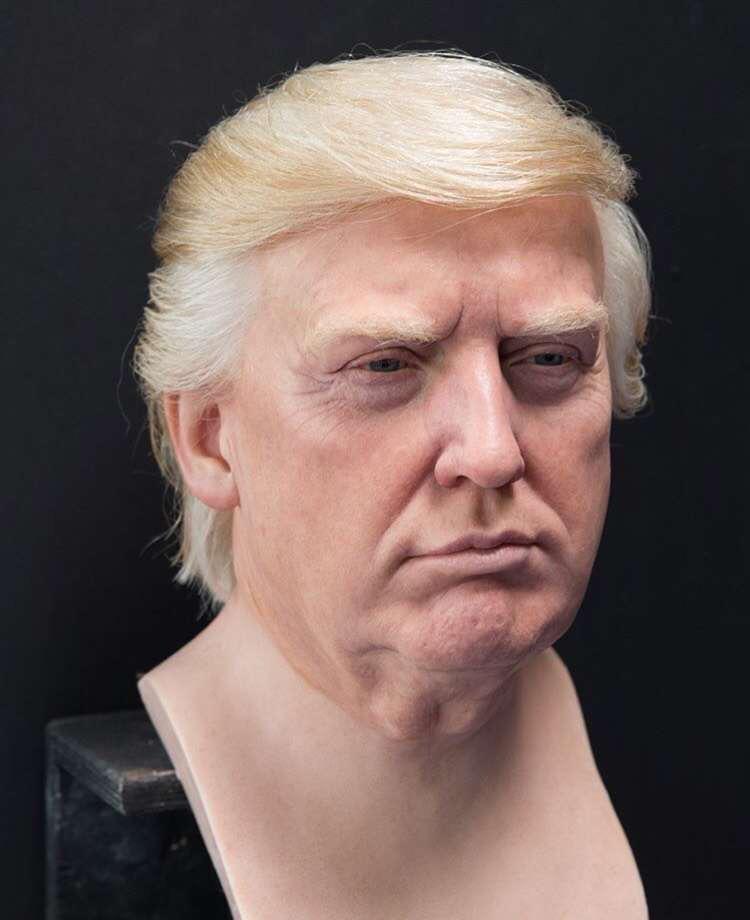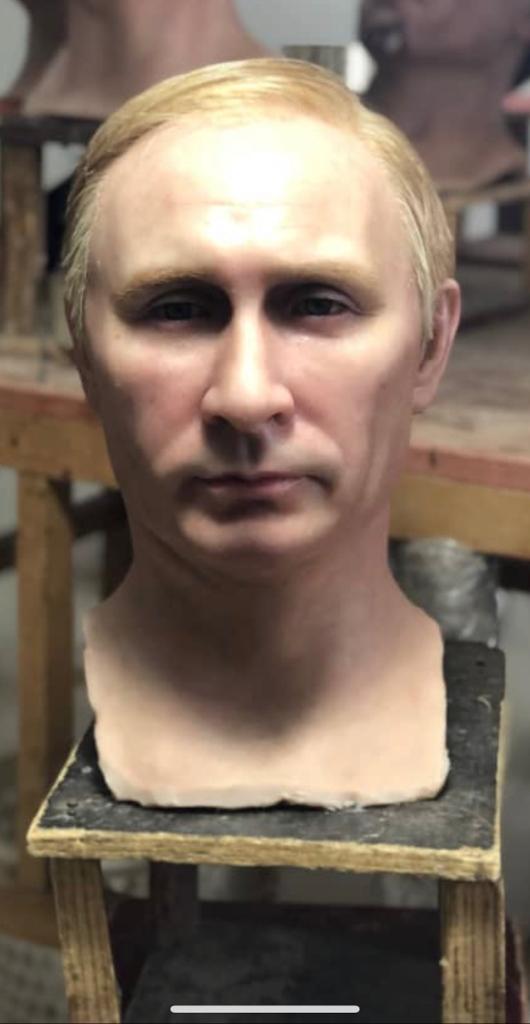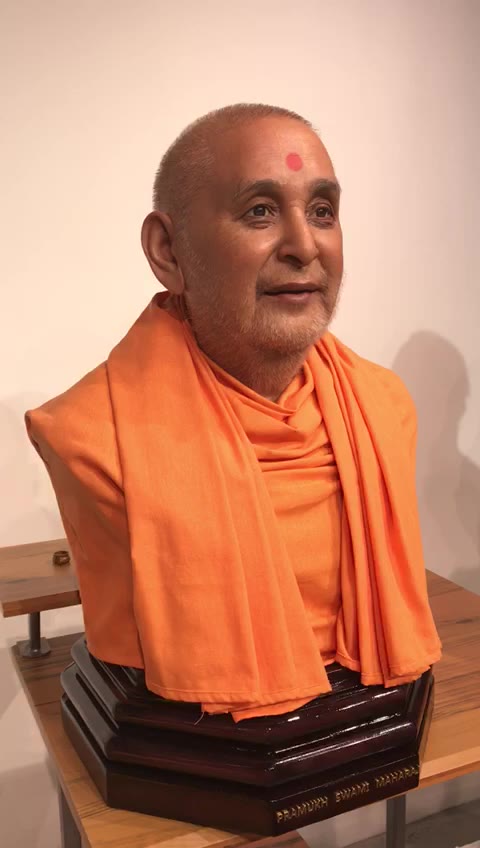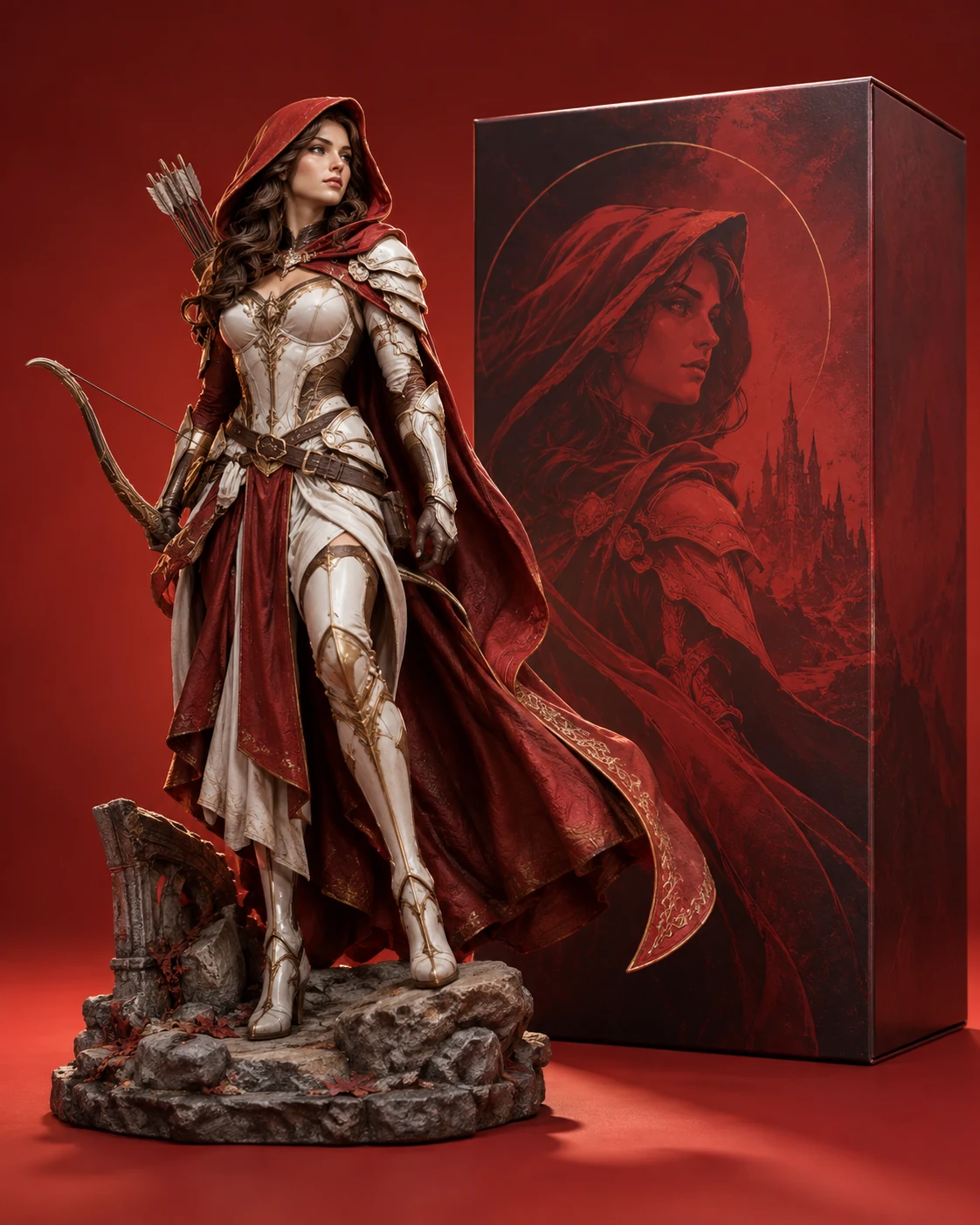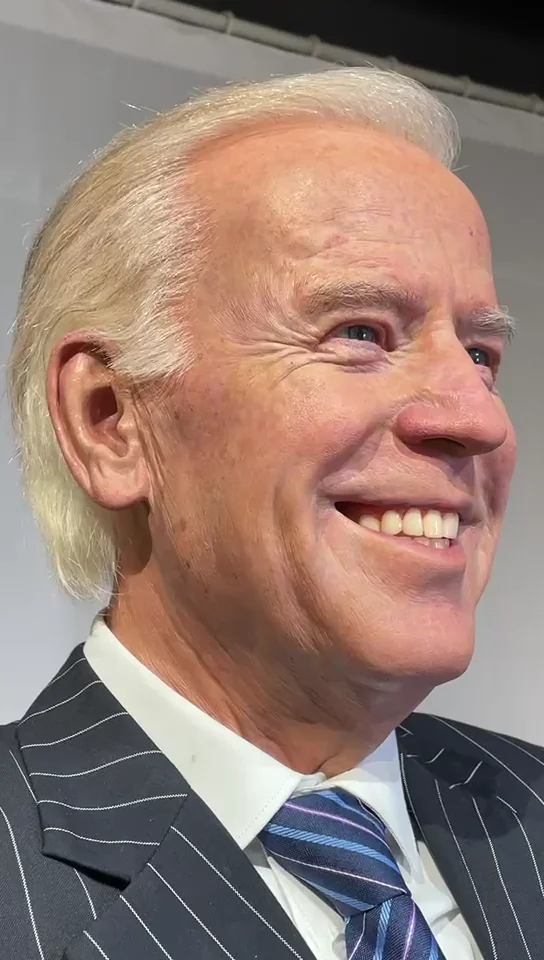
Hair on a collectible is a solid representation of something soft and complex. Attempting to sculpt every strand usually produces noise and fragile geometry without improving recognition. Start with the hairstyle’s silhouette and major masses, then use secondary locks and selective surface detail to explain direction. This hierarchy lets the hair support the portrait while remaining practical to print, finish and handle.
Establish the shape around the skull
Block out the volume relative to the head rather than laying grooves onto an unconsidered shell. Check the height, width, hairline and relationship to the ears from several views. A recognizable hairstyle often depends on these large proportions more than on individual strands.
Compare front and profile references together. Photographs may flatten volume or conceal the back of the head, so identify missing information and agree how it will be interpreted. Keep the scalp and hair mass readable as separate construction ideas, even if they become one physical part. This helps avoid an inflated skull or a hairstyle that appears pasted onto it.
Organize flow into purposeful locks
Divide the mass according to the direction of growth and styling. Larger locks should connect to a plausible origin and overlap coherently. Avoid carving parallel lines everywhere; real hairstyles contain changes in direction, compression and separation that give the silhouette its character.
Use a limited number of secondary forms to carry those changes at the chosen scale. Blender’s sculpting tools support broad form editing and localized detail, but the order matters artistically. Resolve the major volumes before increasing surface complexity. If the locks do not read under plain lighting, more grooves will usually make the problem harder to see.
Adapt fine elements to the physical process
Review flyaways, bangs and thin projecting tips at final dimensions. Some may need to join a neighboring lock or become a shallow surface indication. Choose those adjustments according to visual importance rather than applying the same thickness to every strand. The goal is to retain the hairstyle’s energy without creating avoidable breakage points.
Consider support access and paint application around deep channels. A dramatic digital undercut may become difficult to clean or finish. Test a representative section if the hairstyle contains dense curls or separated spikes. Inspect the prepared and painted result, because surface treatment can soften grooves or exaggerate them through accumulated shadow.
Review hair as part of the portrait
Check whether the hairstyle frames the eyes and expression as intended. Excessive contrast or a heavy hair mass can draw attention away from the face. Compare the silhouette at normal viewing distance and make sure the direction remains legible from the main display angle.
Approve the major shape before final texture and record any deliberate simplifications. After manufacturing, compare the physical result with that hierarchy: overall volume first, lock structure second and fine detail last. Hair succeeds when the viewer recognizes its shape and character immediately, then discovers additional detail on closer inspection. The craftsmanship lies in choosing the right information for the scale, not in maximizing the number of lines.
The key decisions.
- Approve hairstyle silhouette and volume before carving individual strands.
- Use organized locks to explain direction and overlap at the chosen scale.
- Test delicate tips and deep channels through preparation and painting.
Sources & further reading
Primary references for the concepts discussed. Check the applicable documentation when planning implementation.