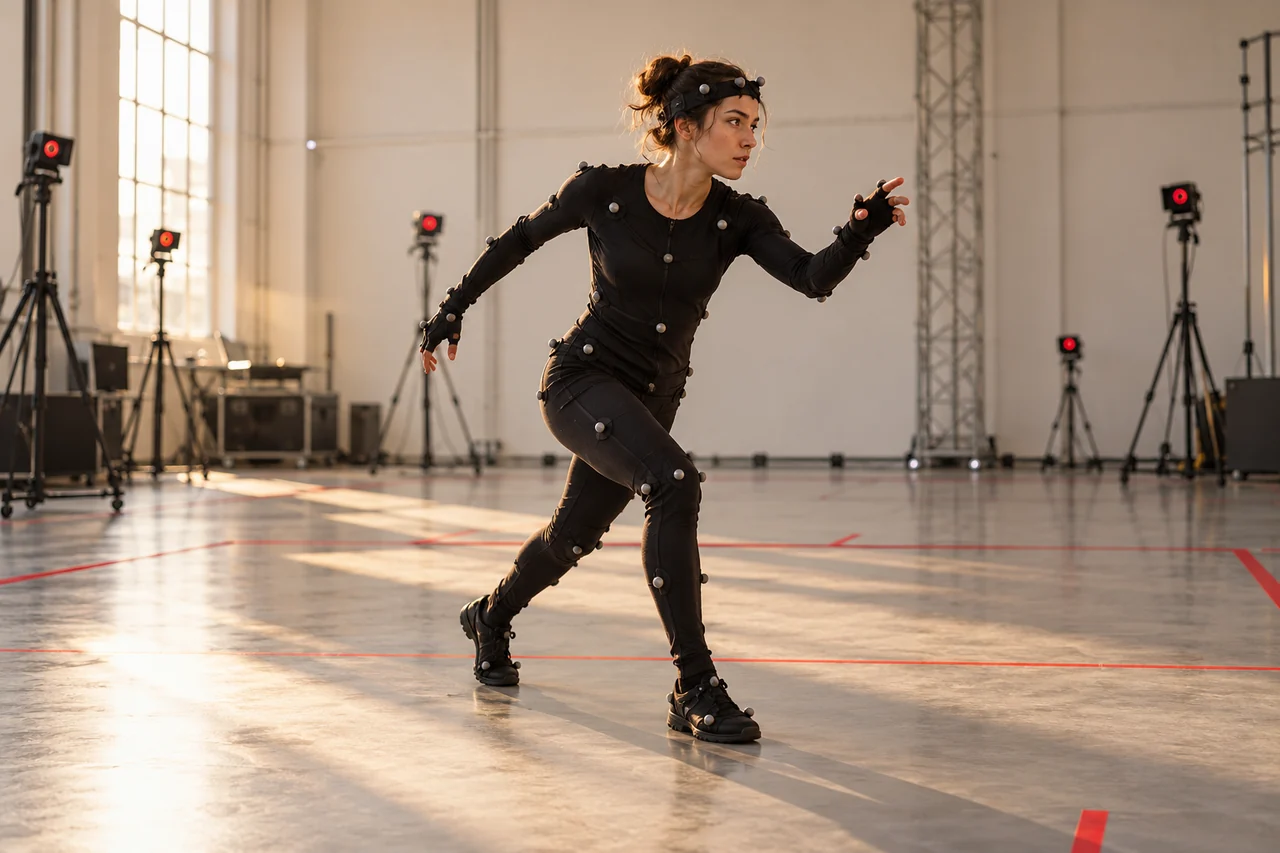
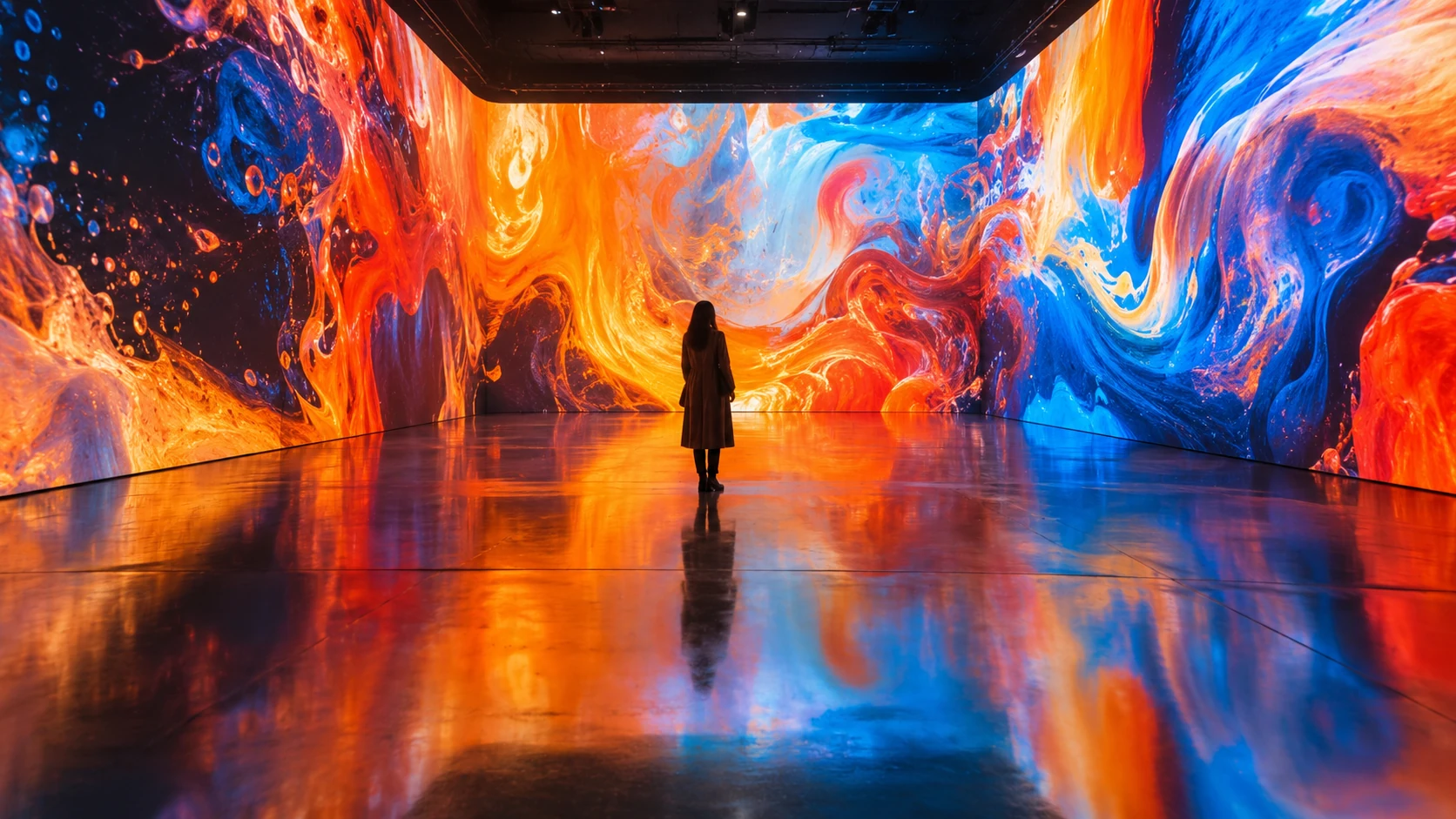
An immersive experience should earn the attention and physical commitment it asks from people. A product comparison may benefit from a life-size model without needing to replace the entire room. A rehearsal may need a controlled environment that removes distractions. Choosing the level of immersion begins with the task and its context, rather than with the most spectacular demonstration the hardware can produce.
Name the spatial advantage precisely
Describe what a person can understand or do better because the experience occupies space. They might judge whether equipment fits through a doorway, practice a sequence with both hands or inspect a complex assembly from inside. These are concrete advantages that can be compared with a screen-based alternative.
Avoid treating novelty as the success criterion. A memorable first impression does not establish that people can finish the task accurately or return to it efficiently. Write a short hypothesis linking the spatial capability to an observable outcome. If depth and embodied interaction do not contribute meaningfully, a familiar window or conventional interface may be the most effective part of the experience.
Map the surrounding real-world activity
Ask where the experience will be used and what must remain available around it. A technician may need to see equipment and colleagues. A designer may alternate between a model and written notes. A visitor at an exhibition may have only a few minutes and need staff assistance.
These conditions influence immersion, session length and input choices. Replacing the surroundings can support focused rehearsal, but it also interrupts awareness of the room and nearby people. Mixed reality preserves more context while introducing visual competition from unpredictable environments. Make the trade explicit for each key moment rather than selecting one immersion mode for every task in the product.
Prototype transitions before building the spectacle
The experience often begins outside the headset or in an ordinary application window. Test how a person enters the spatial task, understands the controls and returns to their previous context. A successful immersive scene can still fail if setup takes longer than the useful activity or returning loses the work they were doing.
Build a small prototype with one realistic task and a complete exit path. Include interruption, a request for help and an unfinished session. Observe whether users understand which state is saved and which controls remain available. These transitions reveal practical adoption barriers that a polished walkthrough with a facilitator may accidentally conceal.
Use evidence to choose a production scope
Compare task completion, errors, comprehension and physical effort across the plausible formats. Ask participants to explain their reasoning afterward, because a faster result can hide a misunderstanding. Include people with different levels of headset familiarity so the evaluation does not only reflect an enthusiastic internal team.
Choose the smallest immersive scope that delivers the demonstrated advantage. Preserve conventional interfaces for activities such as reviewing dense records when they work well there. Document the decision and the conditions under which it should be revisited. A clear scope helps the team spend its effort on the spatial moments that matter, while keeping the overall product approachable and useful beyond its initial demonstration.
The key decisions.
- State the specific advantage of spatial interaction.
- Match immersion to the surrounding activity and environment.
- Evaluate entry, interruption and exit alongside the central task.
Sources & further reading
Primary references for the concepts discussed. Check the applicable documentation when planning implementation.