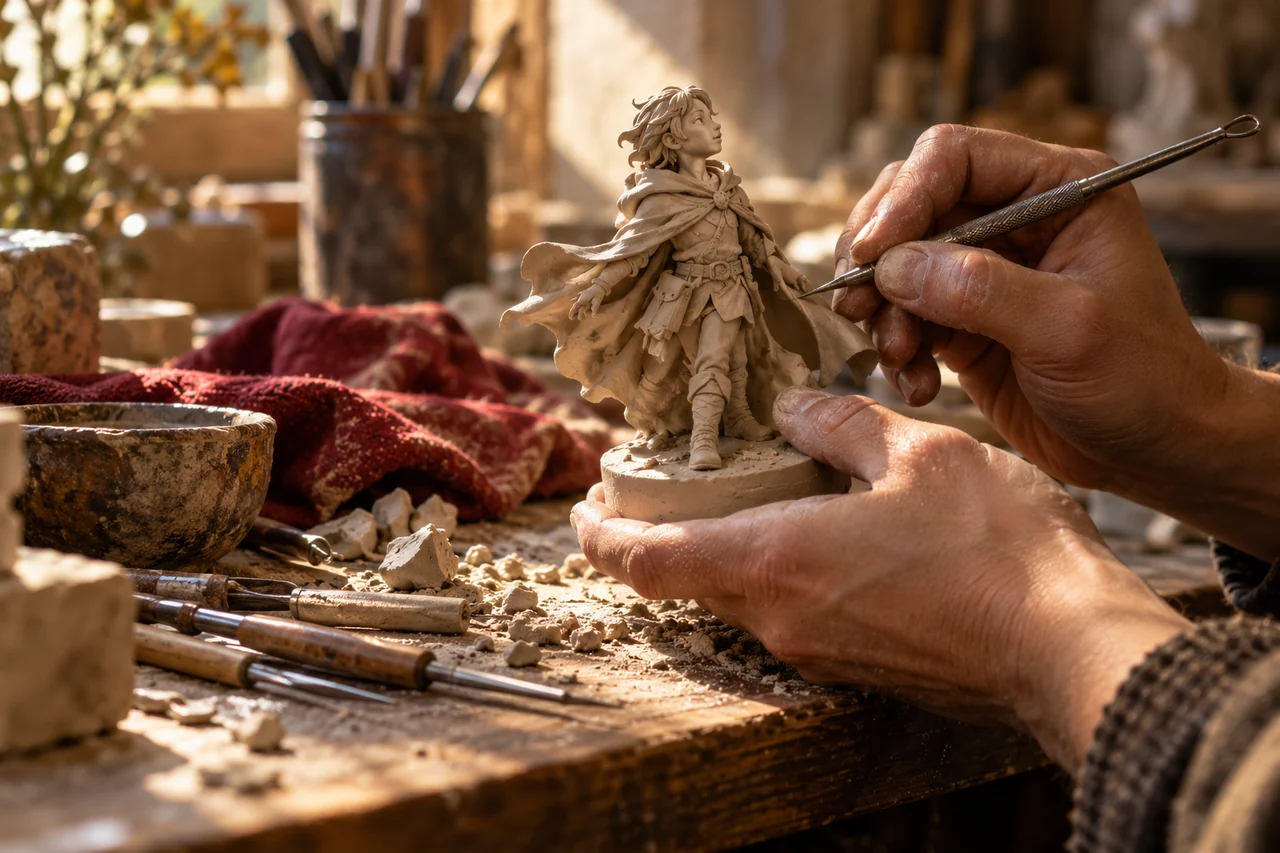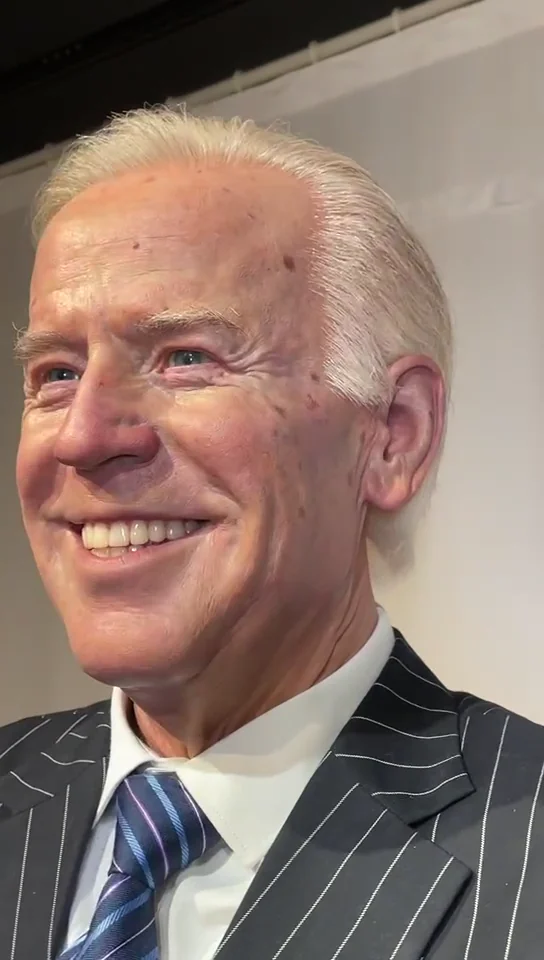
Collectible production becomes difficult when every review is treated as a general invitation to change everything. A comment about pose after painting has very different consequences from the same comment during a rough blockout. Plan approvals around decisions that become expensive to reverse. Each review should present the right evidence, explain what is being decided and leave a clear record of the accepted direction.
Begin with composition and proportion
Use a rough model to approve pose, overall dimensions and the relationship between figure and base. Keep the presentation simple enough that reviewers can focus on those decisions. A highly polished render at this stage can make unresolved structure seem final and encourage comments about color instead of silhouette.
Show the main view and enough additional angles to explain the object in three dimensions. Include a size reference and the intended display context. Ask for a clear decision on the composition, with unresolved items listed explicitly. Do not interpret silence about an unseen profile as approval of that profile.
Separate likeness from manufacturing readiness
For a portrait, review facial relationships and expression before adding fine texture. For a character, review the recognition cues and costume hierarchy. Consolidate feedback through an agreed decision-maker so the artist does not receive incompatible directions from several reviewers.
Once the sculpt is accepted, present the part structure, seams, fragile-feature adaptations and physical prototype where needed. These decisions can affect appearance even when they are motivated by manufacturing. Explain the reason for each visible change and show the revised result. A digital approval does not automatically establish acceptance of an unseen physical compromise.
Approve finish on representative evidence
Use a physical color proof or a representative finished sample for important material and paint decisions. Identify the products and process used so the approved appearance can be repeated. Photographs can support remote review, but they should be presented with consistent lighting and an explanation of any remaining uncertainty.
Formlabs’ figurine guide describes printing and finishing as distinct production stages. Organize approval the same way: a correct sculpt, a successful print and an accepted paint treatment answer different questions. Keep the relevant references available at each review instead of allowing the latest image to replace the entire project history.
Record decisions and handle changes transparently
After each review, summarize what was approved, which changes remain and the revision that represents the decision. Use clear component names and annotated views. This prevents a later discussion from depending on someone’s memory of a call or an ambiguous comment such as “that version looks better.”
When new feedback reopens an earlier decision, explain the concrete effect on sculpting, fabrication or finishing and agree the revised scope before proceeding. Avoid treating every change as a dispute; some are worthwhile improvements. The approval process succeeds when choices are made with appropriate evidence and their consequences are visible, allowing both client and maker to protect the intended quality without unnecessary rework.
The key decisions.
- Approve composition before detail and likeness before surface texture.
- Use physical evidence for manufacturing and finish decisions.
- Record accepted revisions and explain the consequences of reopening earlier choices.
Sources & further reading
Primary references for the concepts discussed. Check the applicable documentation when planning implementation.