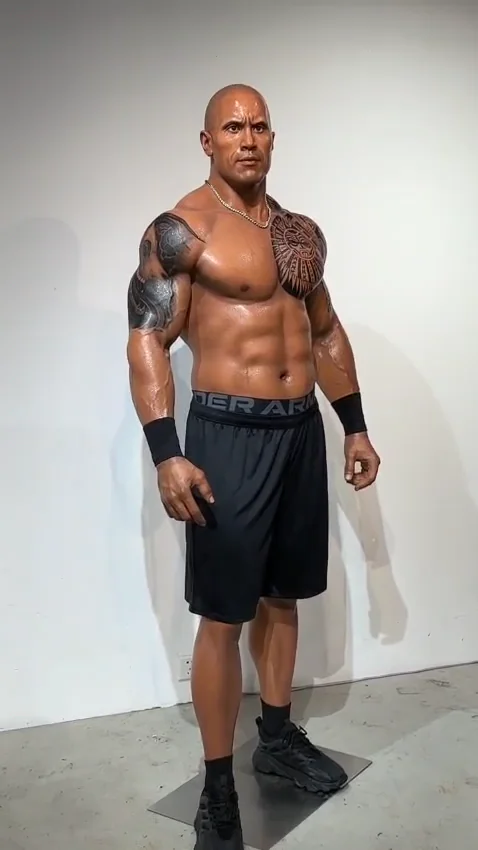
A collectible project can outlive the workstation, software version or team arrangement that produced it. Future support becomes difficult when the only surviving file is an unlabelled final export and the paint recipe lives in someone’s memory. Build a compact archive around the delivered object. It should explain which geometry, materials, assembly and finish belong together, while distinguishing editable source from manufacturing output and photographic reference.
Identify the delivered configuration
Assign a project and object revision to the final assembly. List its components, dimensions and any variant-specific parts. Keep the identifiers consistent with the packing guide and condition record. A replacement hand is easier to produce when the archive states exactly which hand, connector and finish were delivered.
Preserve a clear image set of the completed object, including concealed joints and markings where useful. Record intentional differences from early renders or prototypes. The archive should describe the physical result rather than imply that the first concept file is an exact record of what the owner received.
Keep source and production files distinct
Store the editable sculpt with its relevant dependencies and retain the actual files used for manufacturing. Label exports by part, scale and revision. Do not overwrite an approved production file with a later experiment under the same name. A clean folder structure helps, but explicit identity is more important than a visually tidy directory.
Include a short note on the software and export process needed to interpret the source. Blender’s sculpting documentation provides background on the editable workflow, while the project archive must capture the choices specific to this object. Verify that another person can open the source and locate the approved parts without relying on the original artist’s memory.
Preserve the finish and assembly evidence
Keep the accepted color proof or sample where practical, with its preparation and paint record. Photographs are useful but may not reproduce color and sheen precisely. Record substitutions and final adjustments made during production, especially when they differ from the initial recipe.
Archive connector samples, assembly order and important fit decisions if they may affect future replacements. Note which parts are permanently joined and which can be removed without altering the object. A replacement component must match the existing interface, not merely resemble the original shape. Include known limitations rather than promising that every future repair will be straightforward.
Test the archive with a realistic support question
Ask whether someone could identify and reproduce one noncritical component from the stored information. Check scale, orientation, revision and finish references. The exercise often reveals missing dependencies or ambiguous filenames before an owner urgently needs support.
Define who maintains the archive and how it is backed up within the agreed project workflow. Keep personal reference material and customer information appropriately separated from general production assets. Review the record when a variant or repair changes the delivered configuration. A useful archive is not an indiscriminate collection of every temporary file; it is a trustworthy map from the finished object to the evidence needed to understand and support it.
The key decisions.
- Identify the exact delivered assembly and keep part revisions consistent.
- Preserve editable sources, production exports and physical finish references separately.
- Test the archive with a realistic replacement task and maintain clear ownership.
Sources & further reading
Primary references for the concepts discussed. Check the applicable documentation when planning implementation.