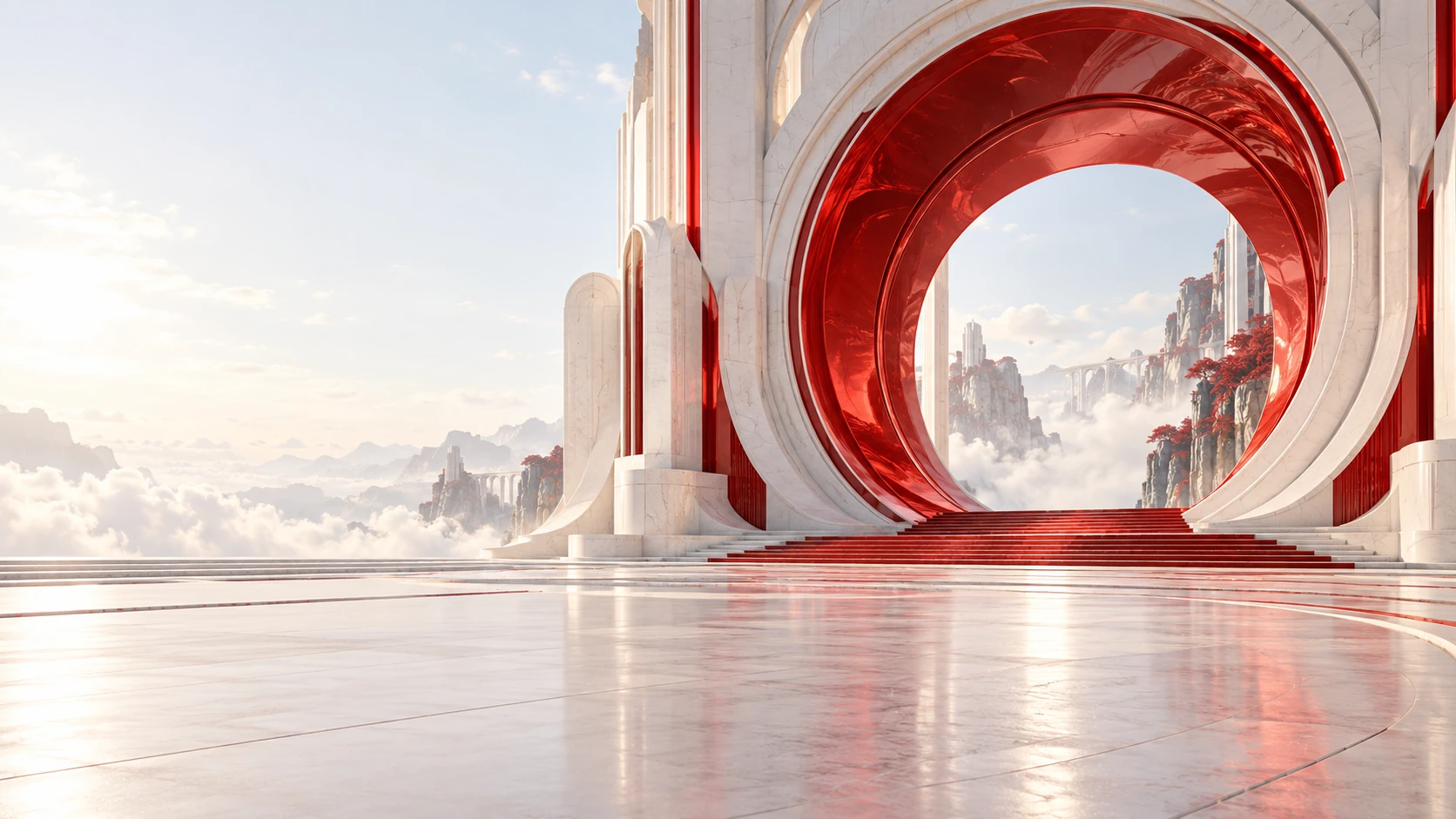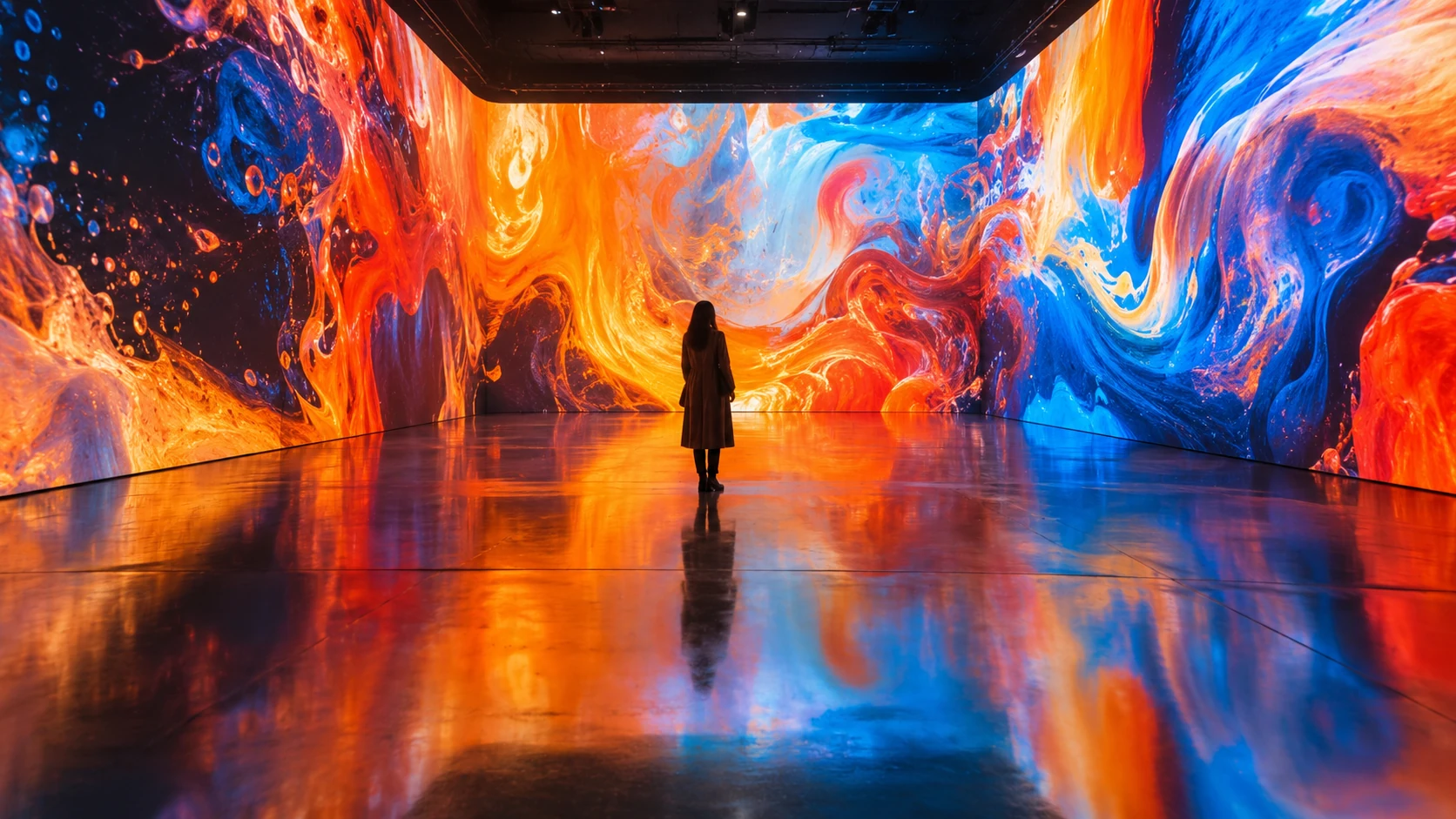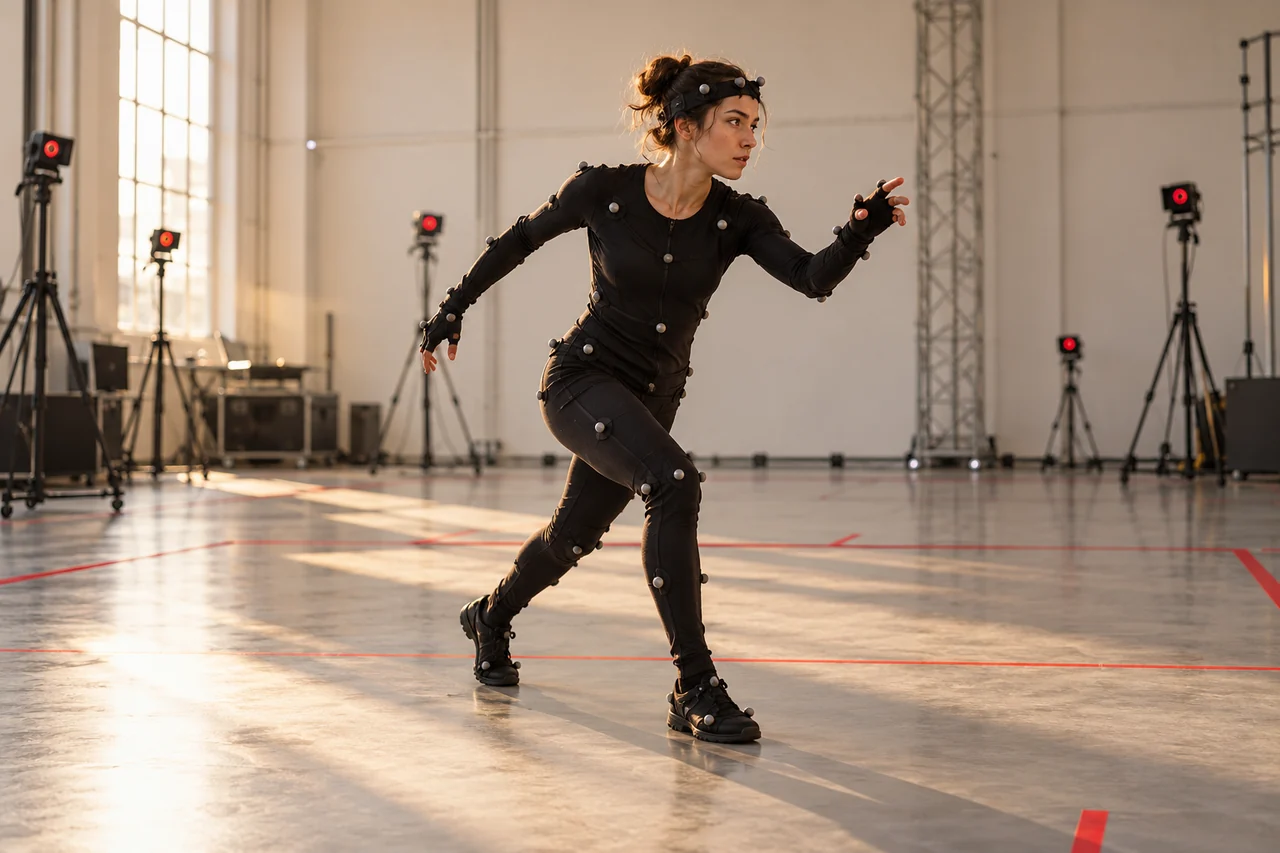
Moving through a virtual environment asks the product to reconcile physical movement with software-controlled movement. The correct locomotion model depends on the activity, available space and the person using it. A comfortable route through a virtual workshop may differ from an action game or seated review tool. Treat movement as a configurable interaction system and test its consequences across the complete session.
Separate physical movement from virtual travel
Identify which actions require small real movements and which require traveling beyond the available room. Reaching around a nearby model and crossing a large virtual building are different problems. Avoid forcing people to walk physically just because the scene contains a long corridor.
Offer movement methods appropriate to the task, such as teleportation for reaching work areas or continuous movement where it supports the intended activity. Consider turning separately from translation. A person may prefer one form of movement and another form of rotation. Keep settings understandable through short previews rather than labels that assume prior knowledge of VR terminology.
Preserve the user’s sense of direction
After a teleport or scene change, people need to know where they are and what faces them. Use stable landmarks, destination previews and a consistent relationship between the chosen landing direction and the resulting view. An ambiguous landing can make users repeatedly turn around before they resume their work.
Design destinations around meaningful positions rather than arbitrary points on every surface. In a training room, a landing area can face the next workstation and keep its controls within reach. Also provide a simple way to return to a known location. Orientation support reduces the need for large signs or intrusive arrows that compete with the environment itself.
Coordinate movement with interaction state
Moving while holding an object, using a tool or editing a measurement creates additional rules. Decide whether the object travels with the user, remains anchored or must be released. An accidental teleport should not throw a carefully positioned part across the scene or leave a selected control in an unreachable state.
Test transitions at awkward moments: during a two-handed adjustment, while a menu is open and after tracking briefly degrades. Make movement cancellation predictable. If a destination becomes invalid, explain the rejection through the preview rather than accepting the action and correcting it afterward. The locomotion system should protect the continuity of the user's task as well as reposition their viewpoint.
Evaluate comfort throughout a realistic session
Brief internal tests can miss fatigue and disorientation that accumulate over repeated movement. Run the actual task sequence with a range of users and let them change settings or stop freely. Record where movement interrupts understanding, requires unnecessary turning or causes people to abandon a route.
Avoid assuming that one preset suits everyone. Preserve preferences and provide a clear recenter action that works with the platform's conventions. Review frame stability alongside movement behavior, since inconsistent rendering can undermine an otherwise thoughtful design. The release checklist should cover method choice, orientation, object continuity and easy recovery. Good locomotion lets people concentrate on the virtual task instead of managing how to move through it.
The key decisions.
- Choose translation and turning methods deliberately.
- Use landmarks and predictable landing orientation.
- Test locomotion while interacting and across complete sessions.
Sources & further reading
Primary references for the concepts discussed. Check the applicable documentation when planning implementation.