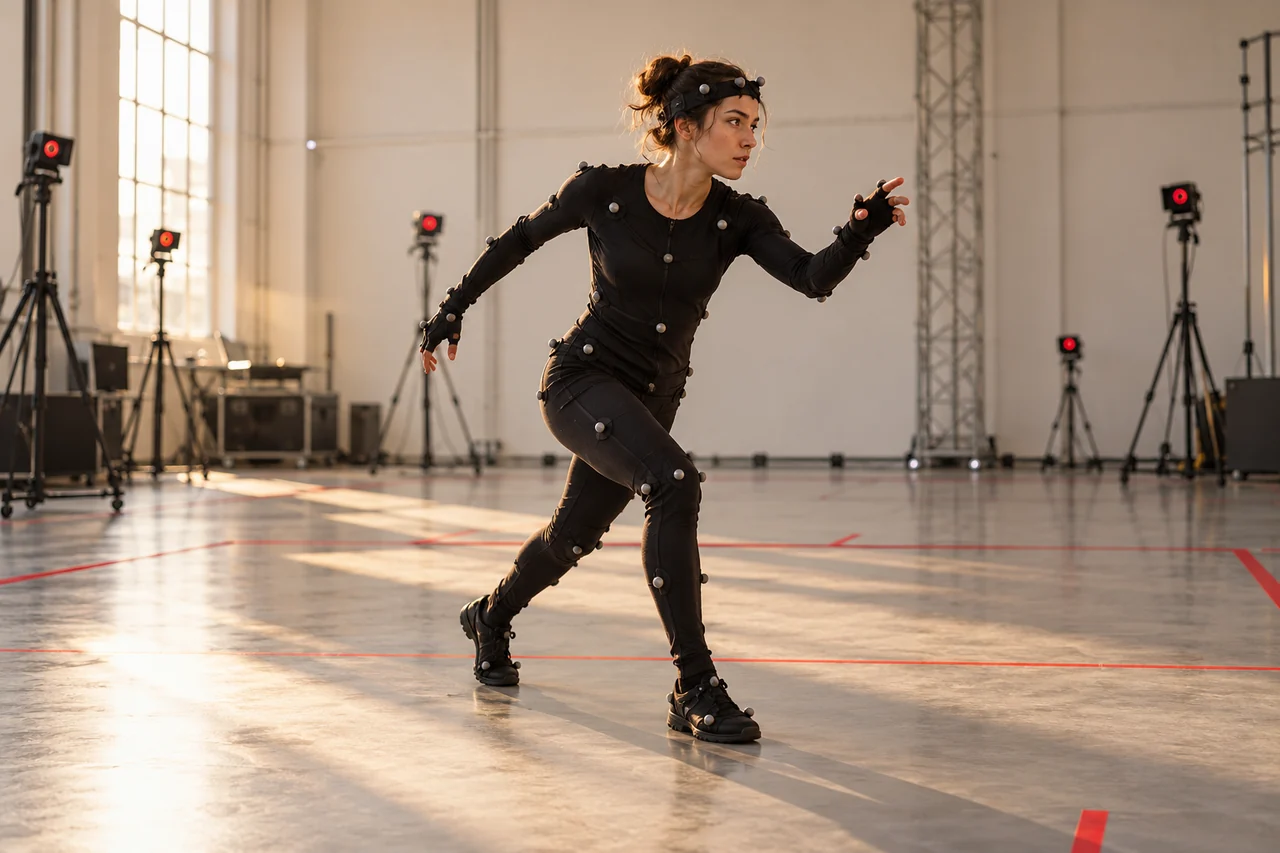
Combat animation has to express force while telling the player what is happening. An impressive flourish can conceal the moment an attack becomes dangerous, and a very subtle preparation can make a fair timing window feel arbitrary. Start with the decisions the opponent should be able to make. Build anticipation, contact and recovery around those decisions, then add expressive motion that preserves the information under the game's real camera and encounter conditions.
Map the animation to gameplay events
Identify when an attack begins, when damage can occur and when the attacker becomes vulnerable again. Put these events on a shared timeline with the animation. They do not all need identical visual emphasis, but their relationship must be intentional. A weapon that visibly passes through the target before damage starts creates a mismatch players may interpret as unreliable collision.
Agree which events can move during iteration. If design shortens recovery, the animator needs to know whether the final pose must change or whether the next action interrupts it. Treat these changes as collaborative tuning rather than invisible edits to timing values. Keep the event names stable enough that art, effects, audio and gameplay can discuss the same moments.
Make anticipation distinct
Use direction, posture and held shapes to distinguish attacks that require different responses. A wide horizontal sweep should not begin with exactly the same readable pose as a narrow thrust unless uncertainty is an intentional part of the design. Test the important differences in silhouette and at normal distance before relying on subtle hand motion or facial expression.
Vary anticipation in ways the player can learn. A heavy attack may show a stronger commitment or a different weight shift, while a quick attack has a smaller but still purposeful cue. Avoid making every preparation longer simply to improve readability. Clear pose design can communicate more effectively than additional frames filled with ambiguous movement.
Coordinate impact and visual effects
Review contact with effects and audio temporarily disabled. The body and weapon should still explain the basic action. Then add trails, flashes and camera response in layers. Each layer should reinforce the intended contact rather than obscure the target, hide the next attack or imply a larger damage region than the gameplay uses.
Check repeated attacks and multiple participants. An effect that looks excellent in a single demonstration may cover the entire encounter when several enemies use it. Reserve the strongest visual emphasis for information that deserves it. Maintain readable recovery and defensive opportunities even when the scene is energetic, because the player needs to understand what can happen next.
Test cancellation and interruption
Play the attack from every supported entry state and interrupt it at permitted points. A clean standalone clip can snap when entered from a turn or leave the character in an implausible pose after a hit reaction. Review animation blending with the actual action rules. Do not conceal every mismatch with a long transition that changes the intended combat timing.
Use player observation to evaluate comprehension. Ask what attack they believed was coming and when they thought it became dangerous, then compare those answers with the intended events. Finish by checking directional clarity, event alignment, interruption behaviour and crowded-scene visibility. A successful combat animation makes the action expressive while giving the player dependable information for the next decision.
The key decisions.
- Align animation poses with the actual attack event timeline.
- Make different response requirements visually distinguishable.
- Review effects and interruptions in crowded playable encounters.
Sources & further reading
Primary references for the concepts discussed. Check the applicable documentation when planning implementation.